IQR Case Study: Institutional accreditation in United Arab Emirates
QAA’s International Quality Review (IQR) helped Emirates College for Advanced Education (ECAE) to strengthen their reputation through alignment with global standards, enabling them to expand their influence and engagement both domestically and internationally.
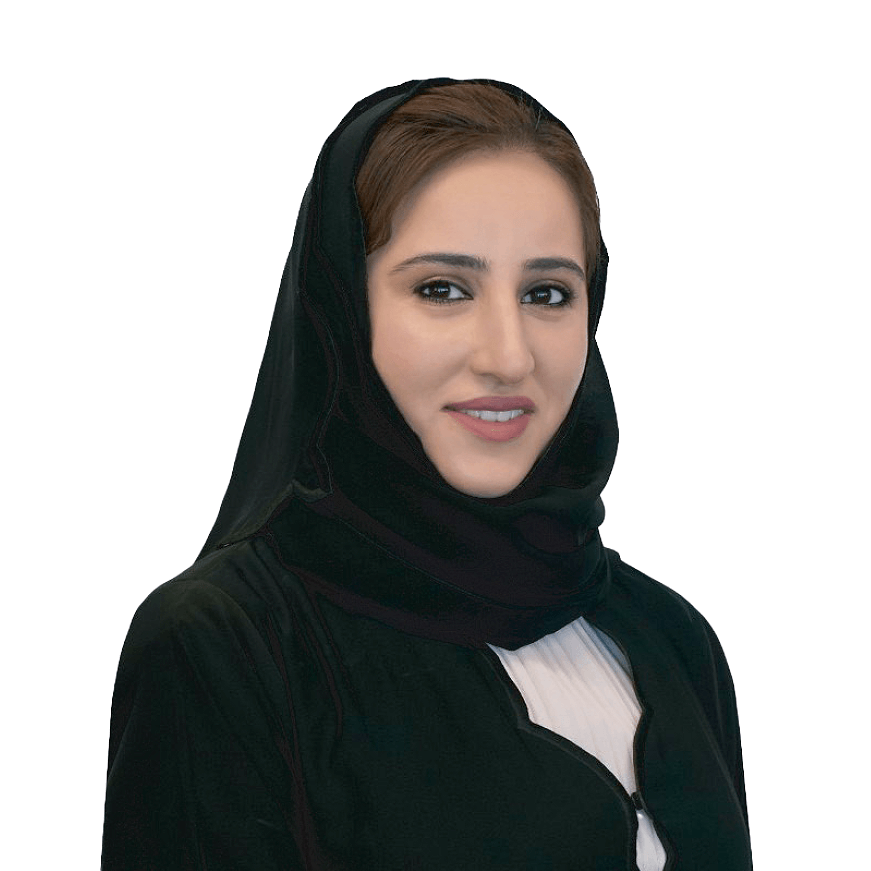
Dr May Laith Al Taee, Vice Chancellor at ECAE, discusses how IQR has helped the college to embed a culture of continuous improvement and reinforce a commitment to excellence and quality.
Why did you choose to work with QAA and seek international accreditation?
ECAE pursued international accreditation for three strategic reasons:
- Firstly, to ensure alignment with globally recognised standards of higher education, reinforcing our commitment to academic excellence.
- Secondly, to enhance ECAE’s reputation and visibility on the international stage, creating opportunities for networking and fostering mutually beneficial partnerships.
- Thirdly, to demonstrate compliance with the European Standards and Guidelines, which supports initiatives such as international practicum placements and student exchange programmes, enriching the educational experience for our learners.
A key motivation for engaging with QAA was that its IQR process uses the European Standards and Guidelines (ESG) as the basis for evaluating universities. Since universities across Europe are assessed against the ESG, this enables ECAE to demonstrate that its quality assurance processes and academic standards are fully comparable to those of leading European institutions, reinforcing our commitment to international best practices and global recognition.
The most significant benefit of international accreditation for ECAE has been the ability to benchmark our programmes, research, and partnerships against globally recognised standards of educational excellence. This alignment with global standards not only strengthens our institutional reputation but also ensures that our graduates are well-prepared to excel in an increasingly interconnected world.

How has accreditation influenced internal quality assurance, academic programmes, or administrative processes?
Accreditation has had a significant and positive impact on ECAE’s internal quality assurance, academic programmes, and administrative processes. The process has reinforced and embedded a strong, college-wide culture of continuous improvement, evidence-based decision-making and transparency across all levels driven by inclusive leadership and proactive quality enhancement practices.
Key benefits resulting from international accreditation
Strengthening the quality culture
The accreditation process has sustained and deepened ECAE’s commitment to quality assurance by ensuring ongoing implementation of robust QA practices, policies, and procedures.
Improving policies and procedures
In response to QAA recommendations, ECAE updated its Assessment and Grading Policy to explicitly address extenuating circumstances and clarified procedures for short notice changes to study terms and conditions.
Encouraging professional development
Accreditation has encouraged a reflective and resourceful approach to staff development, resulting in improved classroom experiences and research-informed teaching.
Has accreditation affected your institution’s reputation locally or globally?
International accreditation has had a positive impact on ECAE’s reputation both locally and globally. Locally, the recognition by UAE’s national accrediting body – the Commission for Academic Accreditation (CAA) – has been particularly significant. QAA is a respected body acknowledged by the CAA with a Memorandum of Understanding, and under the new Outcome Based Evaluation Framework, ECAE’s association with QAA has enhanced its standing within the national higher education landscape. This recognition has not only strengthened ECAE’s credibility with regulatory authorities but has also increased its appeal to prospective students, employers, and partners. ECAE’s international accreditation is often referenced in discussions with employers and stakeholders, reinforcing the College’s commitment to global standards and best practices.
Furthermore, the international dimension of QAA accreditation has elevated ECAE’s profile among peer institutions and potential collaborators, opening doors for new partnerships and academic exchanges. This broader recognition supports ECAE’s strategic goal of expanding its global footprint and influence, with the College currently in the process of making links with European universities.
About the University
Emirates College for Advanced Education (ECAE) was founded in 2007 under the decree of His Highness Sheikh Khalifa Bin Zayed Al Nahyan. The College aims to inspire and empower a new generation of qualified national professionals pursuing careers in teaching and education-related fields, supporting the UAE Government’s Vision 2030 and the UAE Centennial 2071. The College also fosters partnerships locally and internationally to invest in future-ready educators and provides evidence-informed policy and research contributions to support educational transformation.
Contact us to find out more about IQR
If you would like further information about IQR and the process of QAA accreditation, please email us.