UK Quality Code for Higher Education: Advice and Guidance - Principle 11
Publication date: 28 Sep 2026
Publication date: 28 Sep 2026
What this means
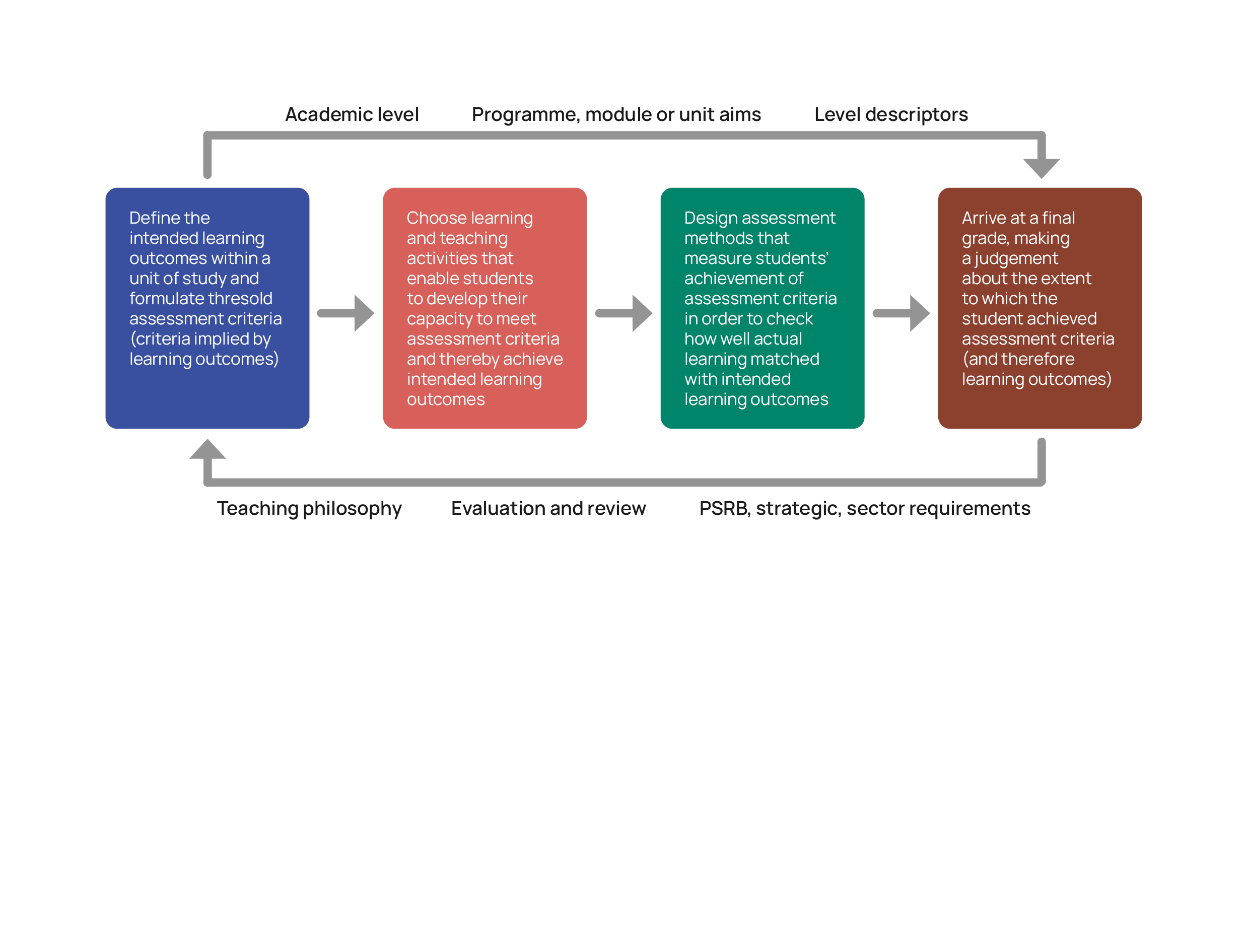
Providers ensure that learning, teaching and assessment are informed by current research, scholarship and professional practice. Learning outcomes, teaching activities and assessment work together to help students develop, apply and demonstrate their knowledge, skills and understanding while achieving recognised academic standards.
In practice
Providers typically:
Why this matters
Alignment between research-informed teaching, learning and assessment helps students achieve their potential while maintaining academic standards and supporting continuous improvement by:
Resources
What this means
In practice
Providers typically:
Why this matters
Clear information and effective feedback help students understand expectations, take ownership of their learning and make informed improvements throughout their studies by:
Resources
In practice
Providers typically:
Why this matters
Well-supported and appropriately qualified staff are essential for delivering high-quality teaching, effective supervision and positive student outcomes because they:
Resources
Providers support students to become active, self-directed learners who take increasing responsibility for their own development and progress. This includes creating opportunities for reflection, independent learning and student choice, alongside effective ways for students to provide feedback, work in partnership and help shape their learning experience.
Providers typically:
Resources
Why this matters
Resources
Assessment is aligned to learning outcomes and enables all students to demonstrate their knowledge, skills and capabilities equitably. Providers take a proactive approach to fairness, accessibility and academic integrity, using inclusive and authentic assessment methods that uphold standards while recognising the diverse needs, backgrounds and circumstances of learners.
Providers typically:
Why this matters
Resources
What this means
Providers take a strategic and coordinated approach to the use of technologies across learning, teaching and assessment. Staff and students understand how technologies should be used, the benefits and limitations of different tools, and the expectations surrounding ethical practice, accessibility, academic integrity and digital capability. Approaches are regularly reviewed in response to technological developments and changing educational needs.
In practice
Providers typically:
Why this matters
Clear and coherent approaches to technology help students and staff use digital tools confidently, responsibly and effectively while supporting quality, innovation and academic standards, by:
Resources
What this means
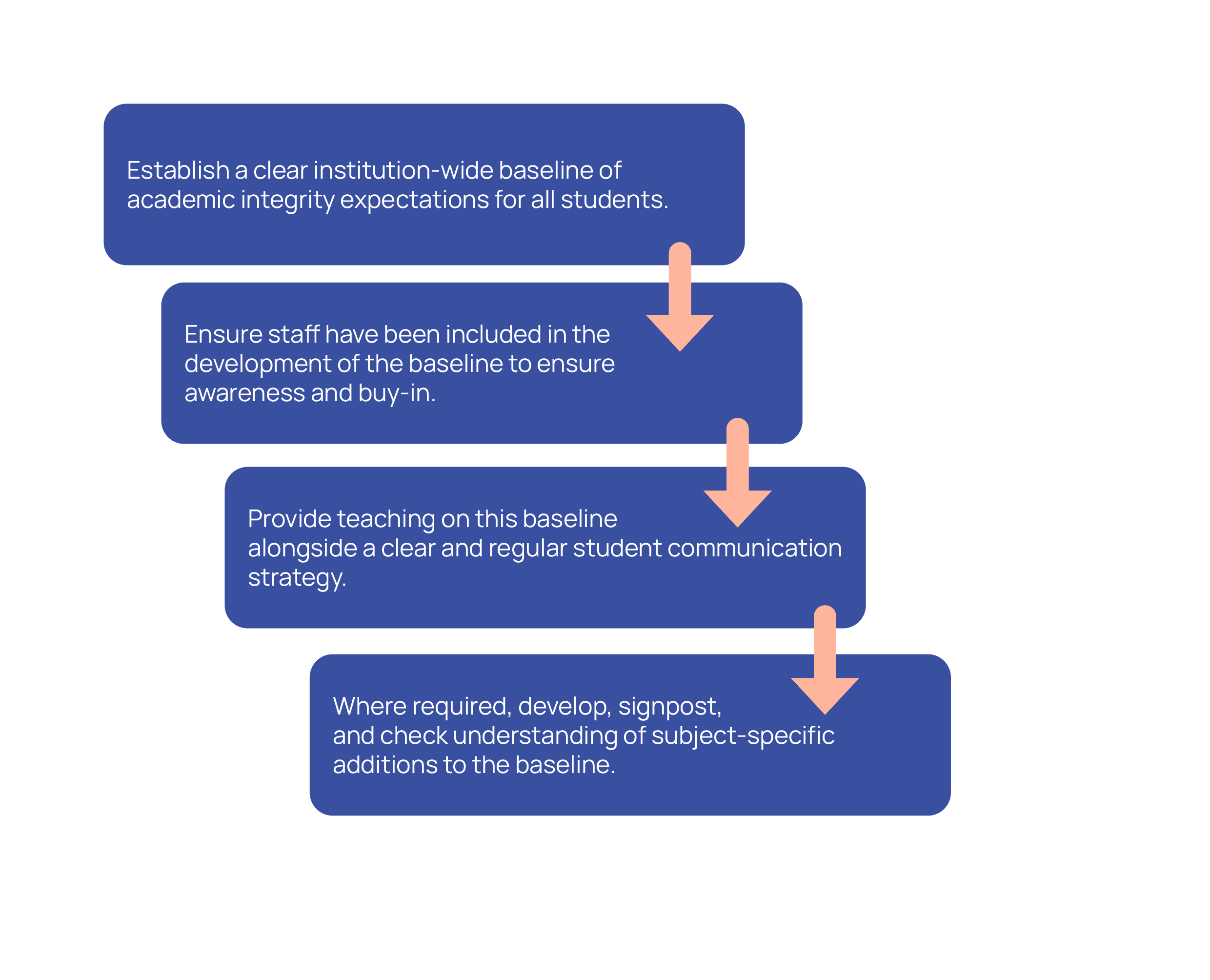
Students and staff understand what constitutes good academic practice, how to use emerging technologies responsibly, and how academic integrity applies across different contexts and disciplines throughout study.
In practice
Providers typically:
Why this matters
A strong culture of academic integrity protects the value of qualifications, supports student success and maintains confidence in higher education awards, by:
Resources
For me, Principle 11 Teaching, learning and assessment is particularly valuable as we respond to the opportunities and challenges presented by AI in higher education. Rather than providing prescriptive answers, it prompts consideration of factors such as the student experience, capability and confidence, accessibility and inclusion, academic integrity and quality assurance before change is implemented. It also provides a framework for balancing innovation with academic standards, helping to ensure technology is used purposefully to enhance learning and develop the digital skills students need beyond university.