UK Quality Code for Higher Education: Advice and Guidance - Principle 5
Publication date: 25 Sep 2026
This guidance highlights the importance of meaningful and effective monitoring and evaluation in quality assurance and enhancement. It moves beyond regulatory reporting and compliance, encouraging practitioners to use evidence, critical reflection and the perspectives of students, staff and external stakeholders to understand performance, identify risks and opportunities, and inform action.
It advocates a proportionate, context-sensitive approach that enables providers to focus effort where it matters, evaluate the impact of change and strengthen quality, academic standards and the student experience.
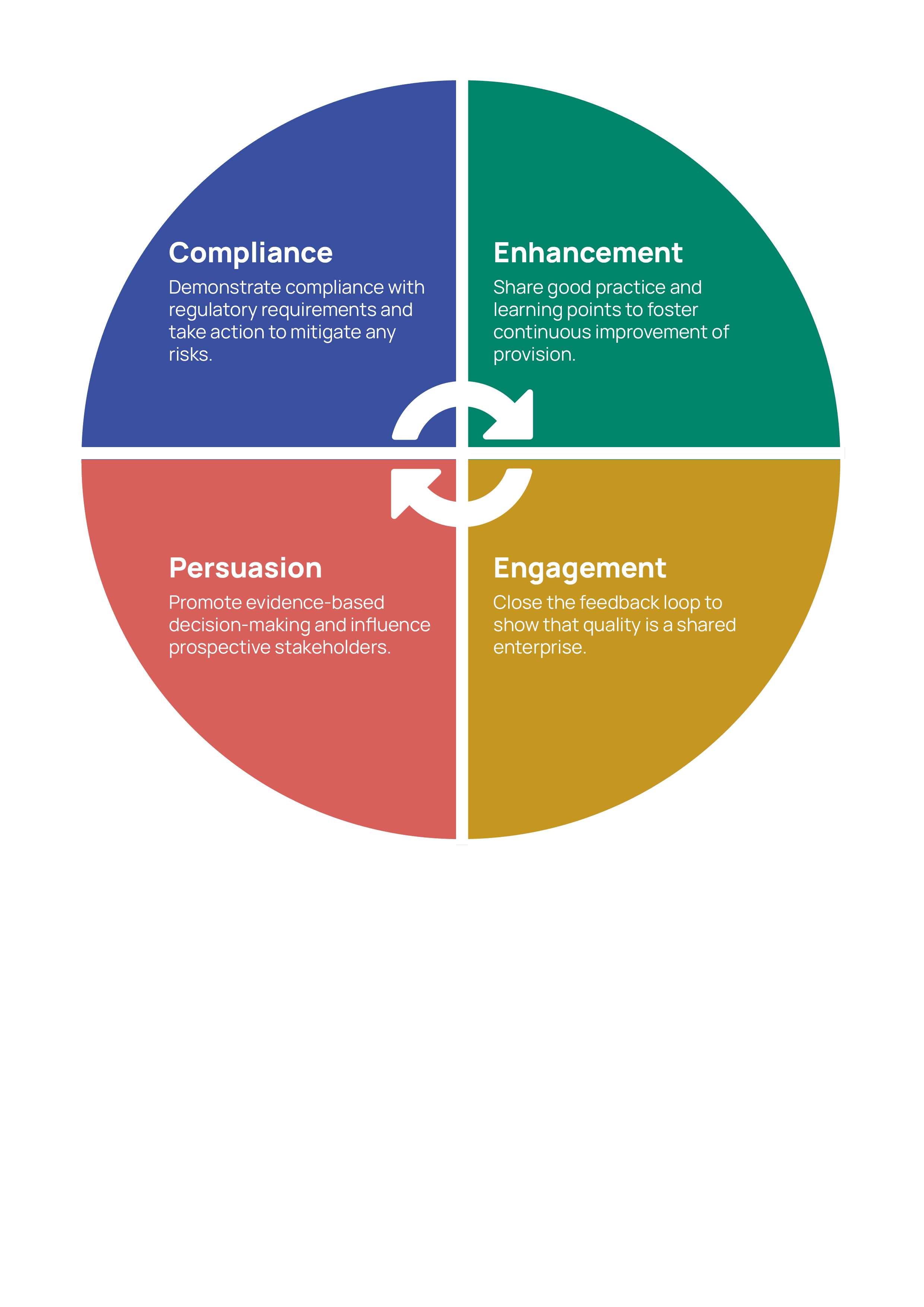
This approach is flexible and proportionate, enabling providers to select methods suited to their context, risk and purpose. It combines evidence, data and stakeholder perspectives to monitor provision, evaluate effectiveness and identify improvement. Findings inform action and enhancement, with subsequent evaluation assessing impact and ensuring improvements remain effective and sustainable.
Publication date: 25 Sep 2026
What this means
Providers establish a clear, strategic and proportionate approach to monitoring and evaluation, aligned with their context, priorities, risks and quality arrangements.
In practice
Providers typically:
Why this matters
This provides the strategic foundation for effective monitoring and evaluation, helping providers to:
What this means
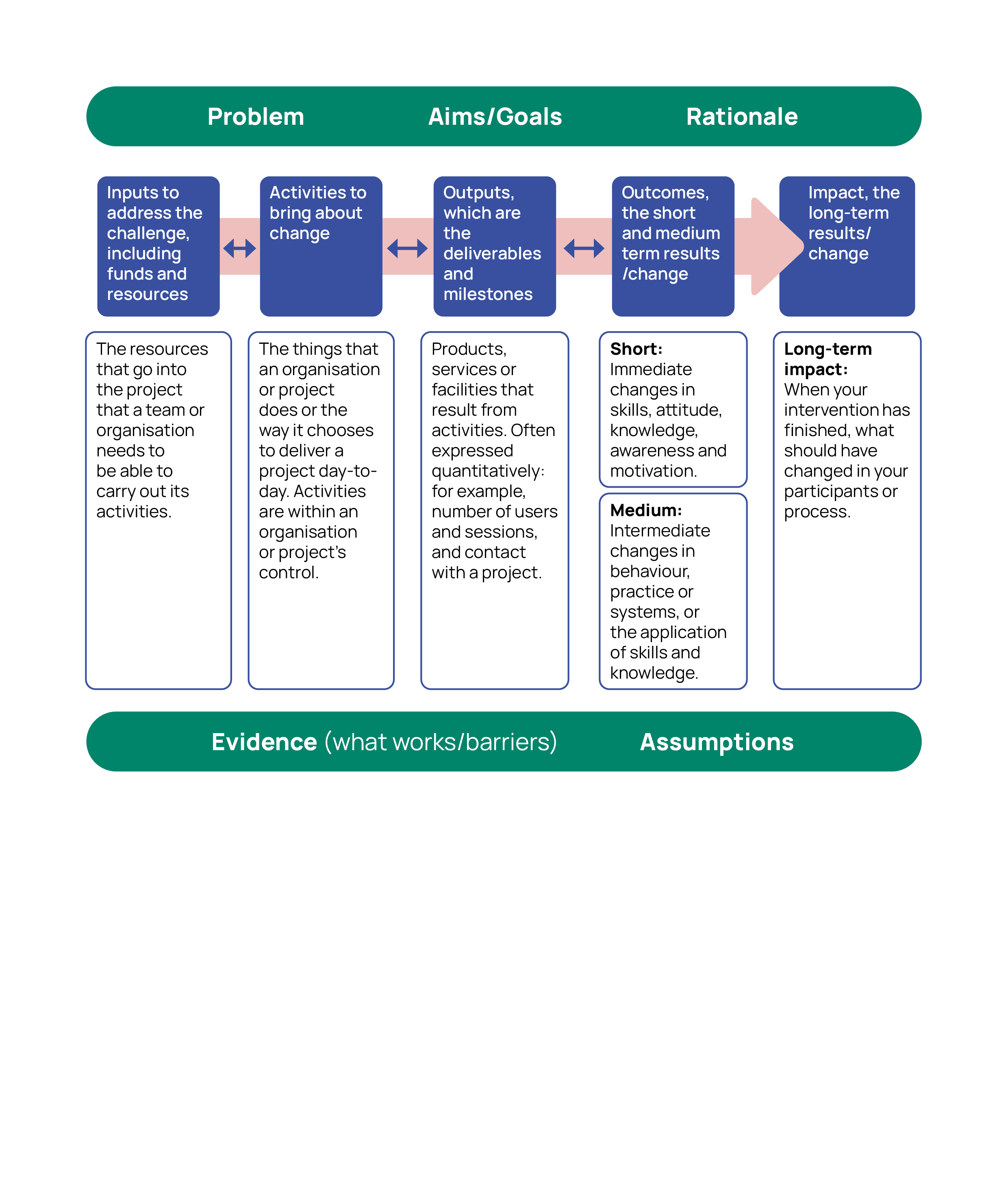
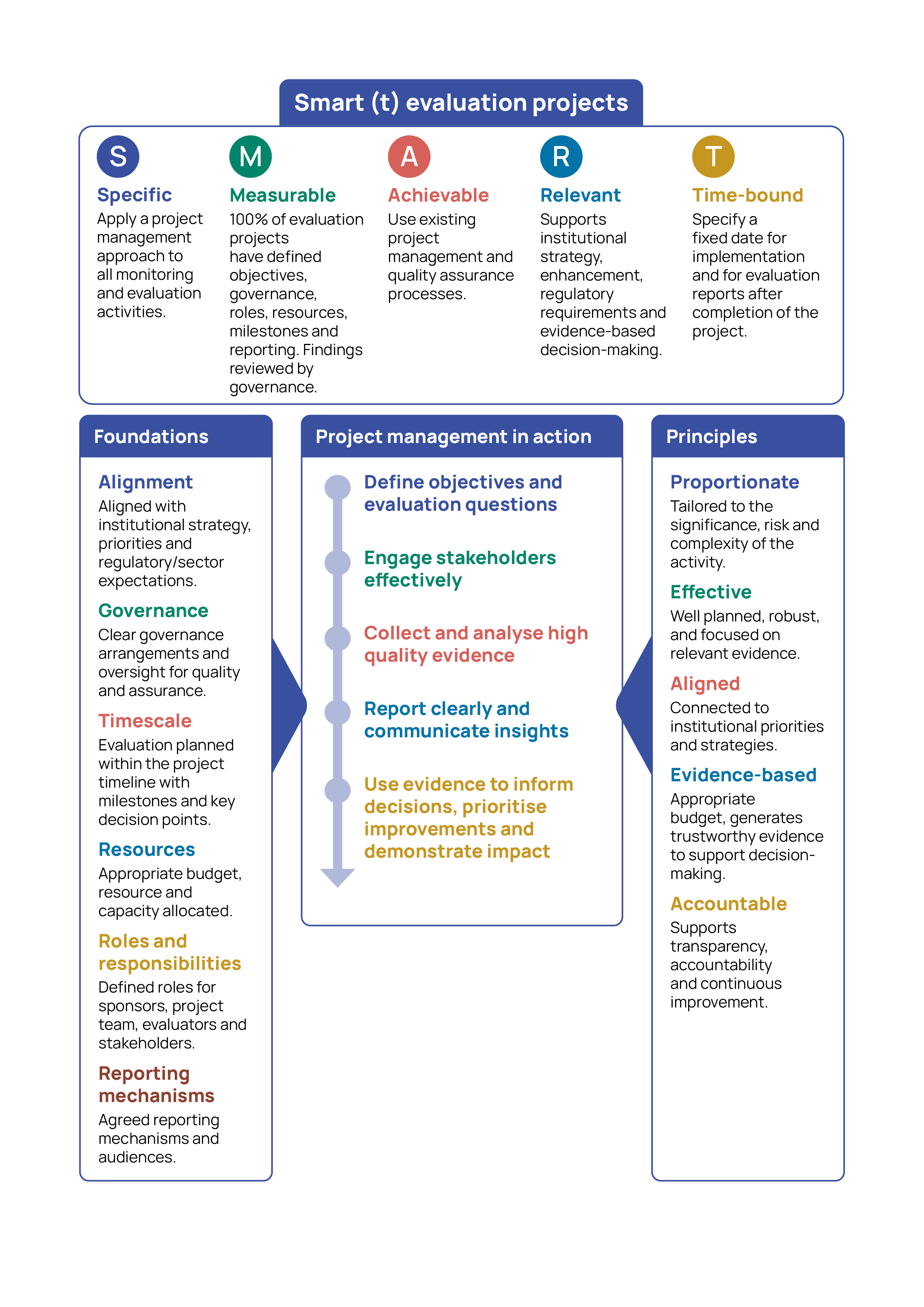
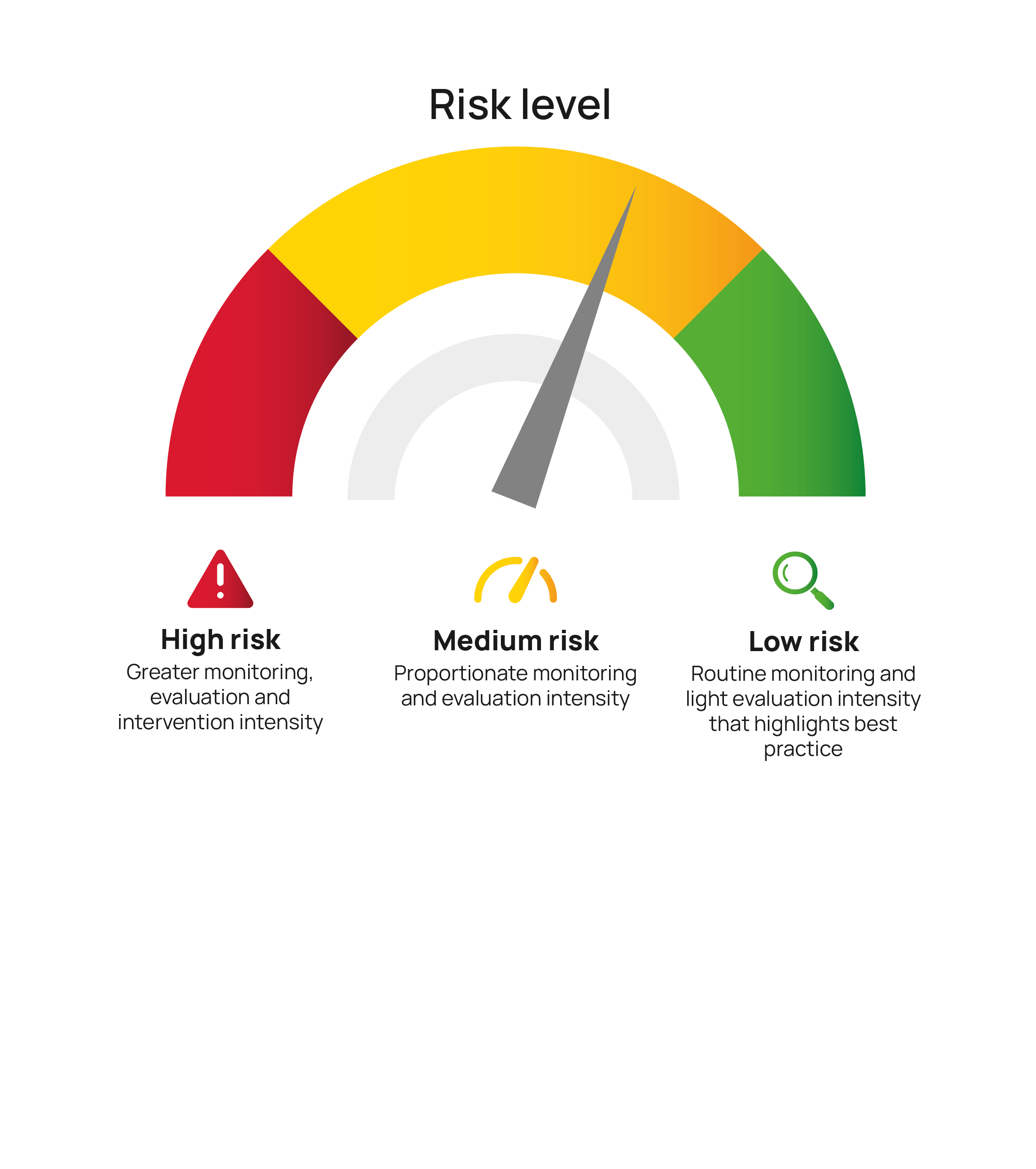
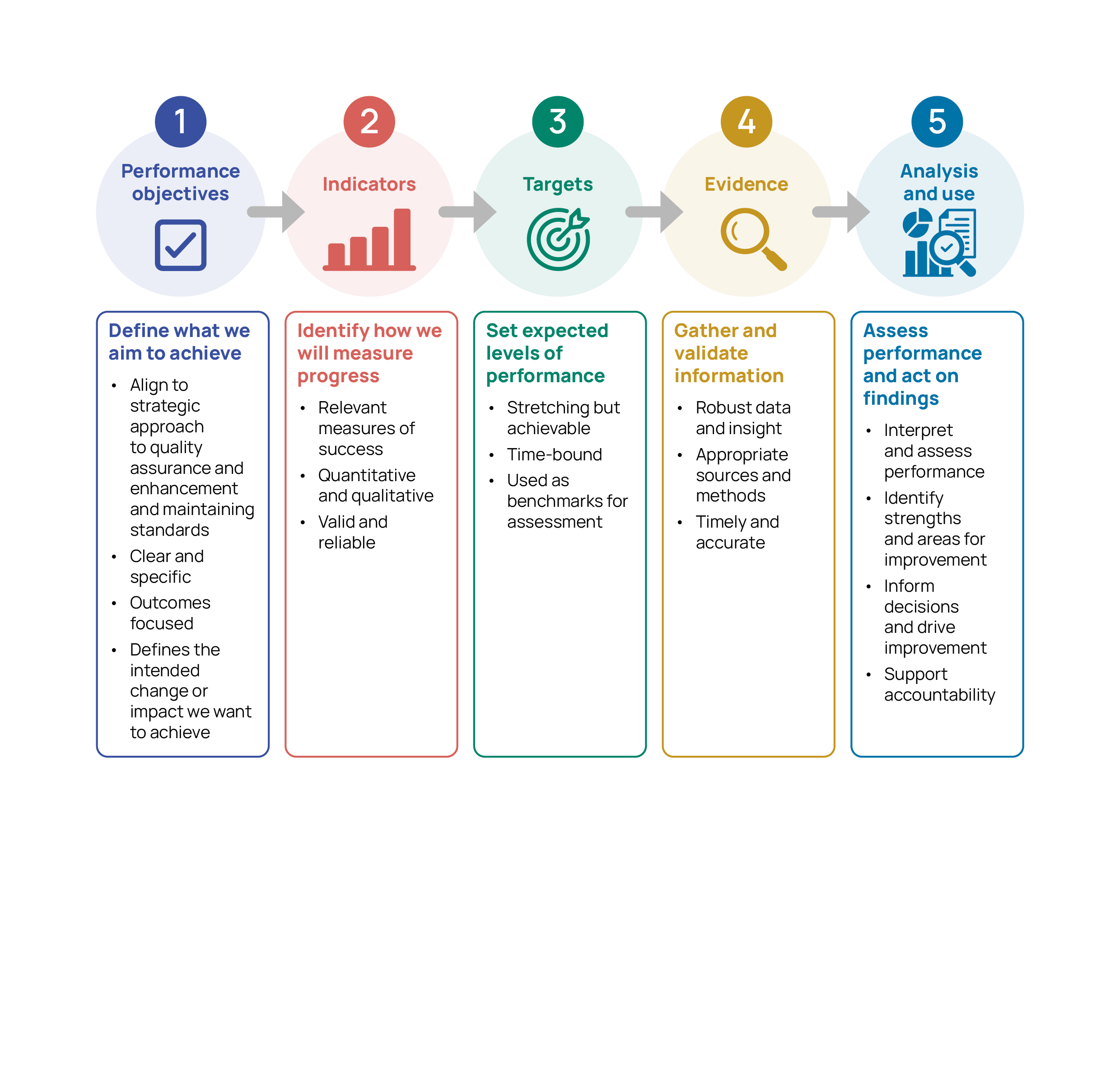
Providers define and use appropriate, proportionate and context-sensitive methods for monitoring and evaluation, ensuring activities generate meaningful evidence about quality, standards, outcomes and impact. The guidance recognises that different approaches can be combined, including risk-based, enhancement-led and periodic monitoring, alongside evaluation methods such as Theory of Change and project management.
In practice
Providers typically:
Why this matters
This helps providers to focus monitoring and evaluation on meaningful evidence, using proportionate methods that support quality, standards, decision-making and continuous enhancement, which:
What this means
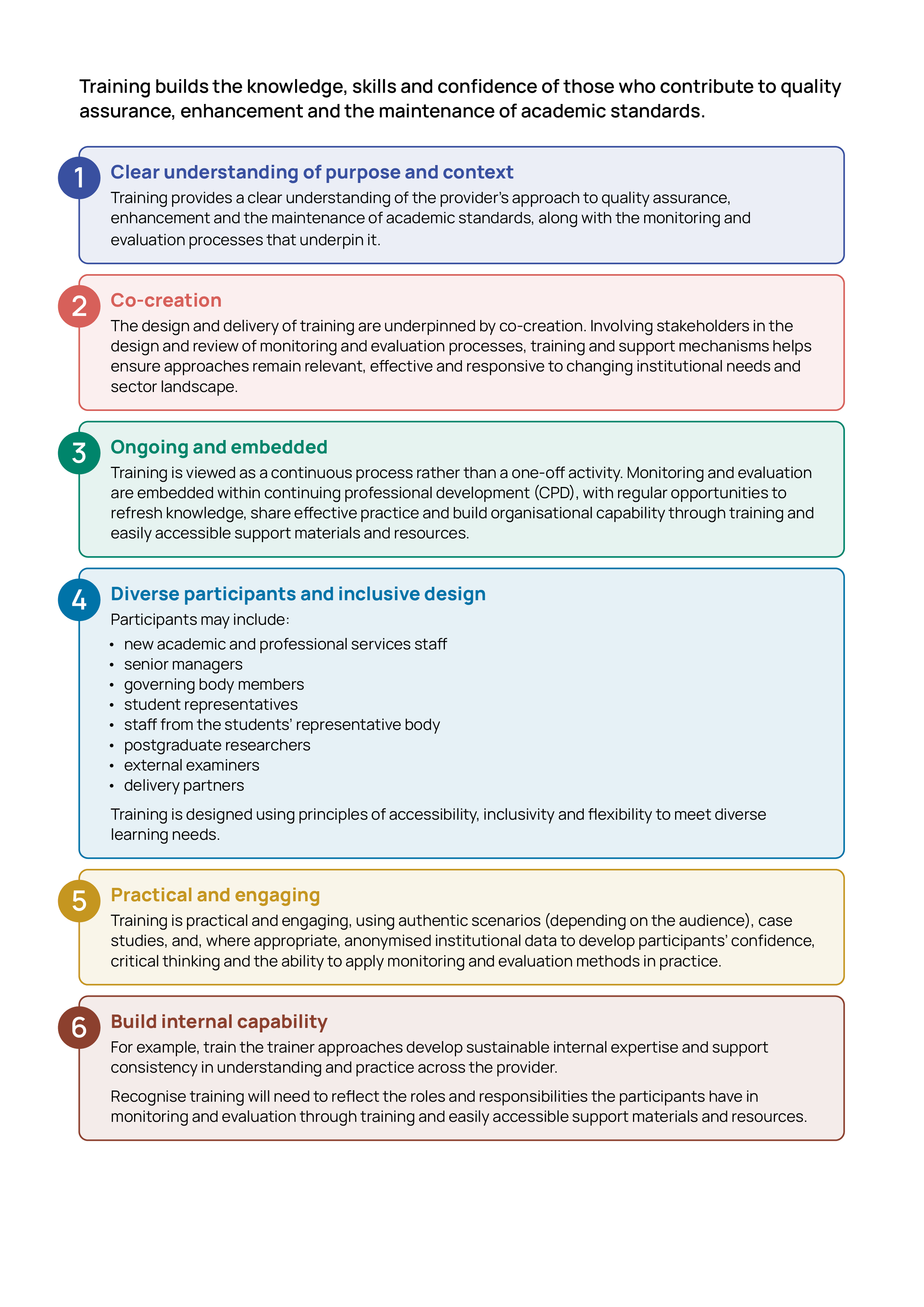
This Key Practice encourages providers to equip staff and students with the knowledge, skills and support to participate meaningfully in monitoring and evaluation. In practice, this includes appropriate training, access to relevant evidence, support to interpret information, and opportunities to develop evaluation capability through collaboration, professional development and sharing effective practice.
In practice
Providers typically:
Why this matters
Building staff and student capability enables meaningful participation in monitoring and evaluation, strengthens evidence-informed decision-making, and supports a culture of shared ownership, learning and continuous enhancement. This:
Resources
What this means
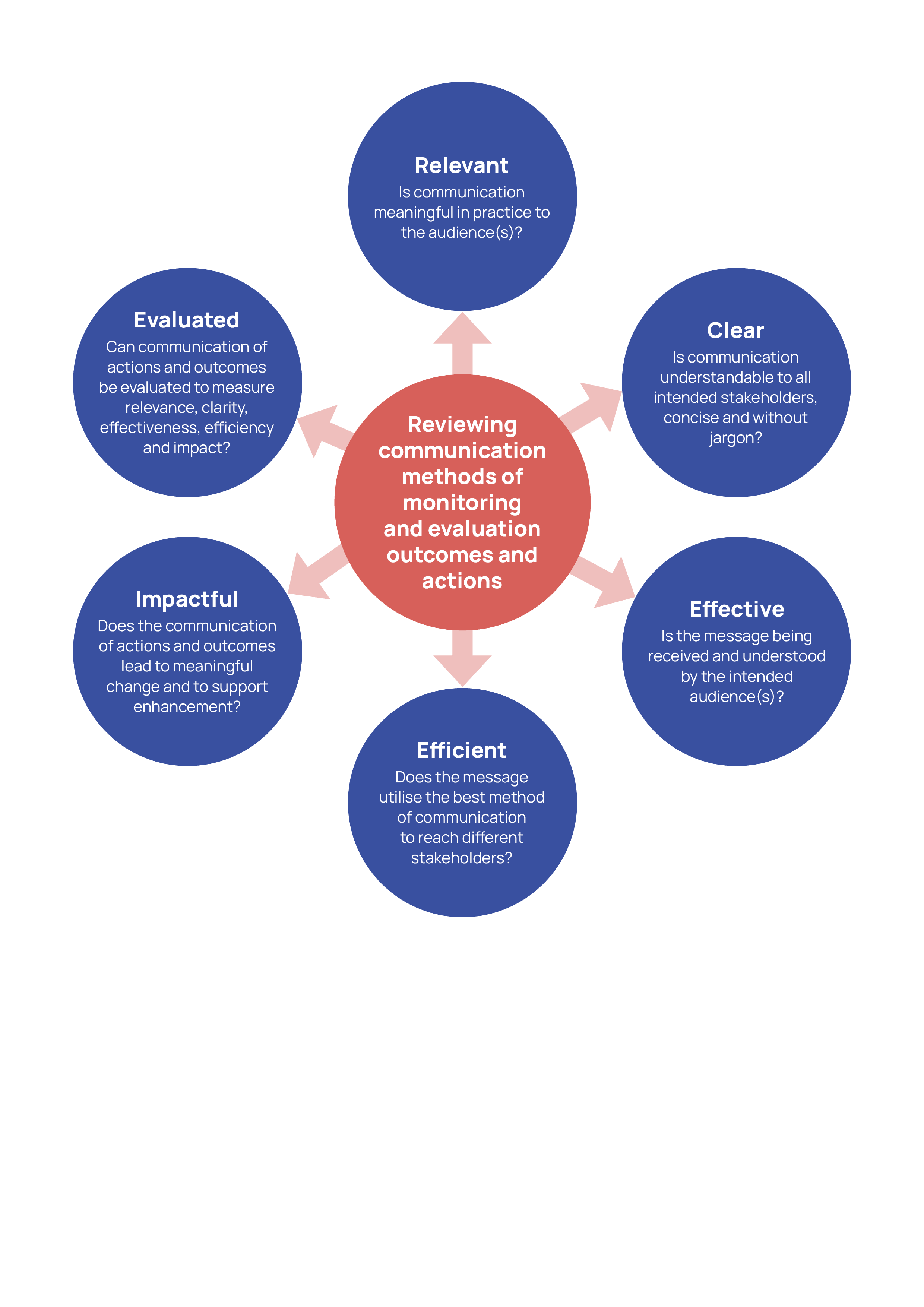
Providers communicate actions and outcomes accessibly and transparently to staff, students, governing bodies and, where appropriate, external stakeholders.
In practice
Providers typically:
Why this matters
Clear communication of monitoring and evaluation outcomes strengthens transparency, accountability and stakeholder understanding, while demonstrating how evidence informs decisions, actions and continuous enhancement. This:
What this means
Providers monitor and evaluate implemented improvements to understand their impact, ensure they remain effective and fit for purpose, and support ongoing enhancement.
In practice
Providers typically:
Why this matters
Embedding evaluation of improvements enables providers to understand whether change is making a positive difference, avoid assuming impact, and ensure quality assurance remains purposeful, effective and responsive over time. This:
What this means
Providers use monitoring and evaluation to generate meaningful insight into how provision supports equality, diversity and inclusion (EDI) and education for sustainable development (ESD).
In practice
Providers typically:
Why this matters
Using monitoring and evaluation to understand EDI and sustainable development enables providers to identify inequalities, understand diverse experiences, and use evidence to inform meaningful, inclusive enhancement of learning, teaching and wider provision. This:
Resources
What this means
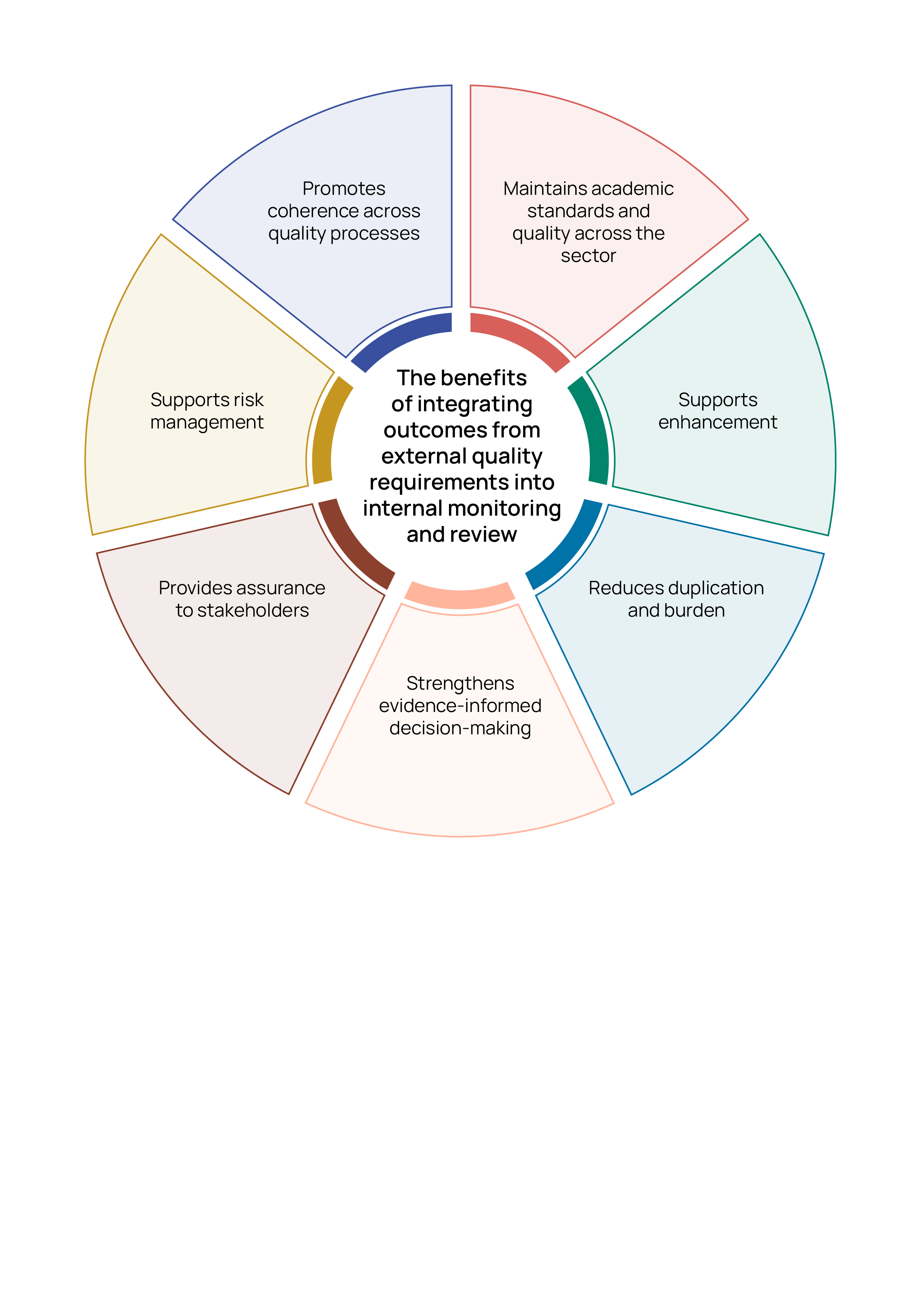
Providers ensure programmes and modules are regularly reviewed using internal and external perspectives, with relevant funding, accreditation, professional and approval requirements informing monitoring and review.
In practice
Providers typically:
Why this matters
Regular, integrated review helps providers maintain academic standards, keep provision current and relevant, meet external expectations, and identify opportunities for enhancement. This:
Resources
I will use the guidance alongside other newly published Principles to inform academic quality monitoring and evaluation practices. For example, the Principles will help shape how we gather and use data to monitor, evaluate and improve the quality and impact of our provision. The improvements to the UK Quality Code resources will provide a valuable framework for embedding continuous improvement into practice.
Dr Tricia Tikasingh, Associate Provost - Academic Enhancement and Development
Regent College London