Inside our approach to quality

Manjola Hoxha
Vice Rector for Quality and Inclusion, Polis University
Real-world tips
- Use external review feedback as a strategic anchor: Treat accreditation recommendations as a ready‑made action plan. Building them directly into strategy helps avoid duplication, clarifies priorities and accelerates change.
- Formalise and communicate your feedback loop: Make sure student feedback leads to visible action. Publishing response plans and sharing them with student representatives strengthens transparency and reduces repeated queries.
- Draw on trusted sector guidance to move quickly on emerging issues: Timely resources - such as those on Generative AI - can help institutions update policies fast and avoid reinventing work already done elsewhere.
- Reframe quality as a tool for improvement, not a burden: Supporting staff to see quality as part of everyday teaching increases buy‑in, reduces friction and speeds up implementation of enhancements.
- Embed inclusion early in curriculum design: Treating inclusion as a design principle, rather than a later adjustment, leads to more efficient development processes and more accessible programmes.
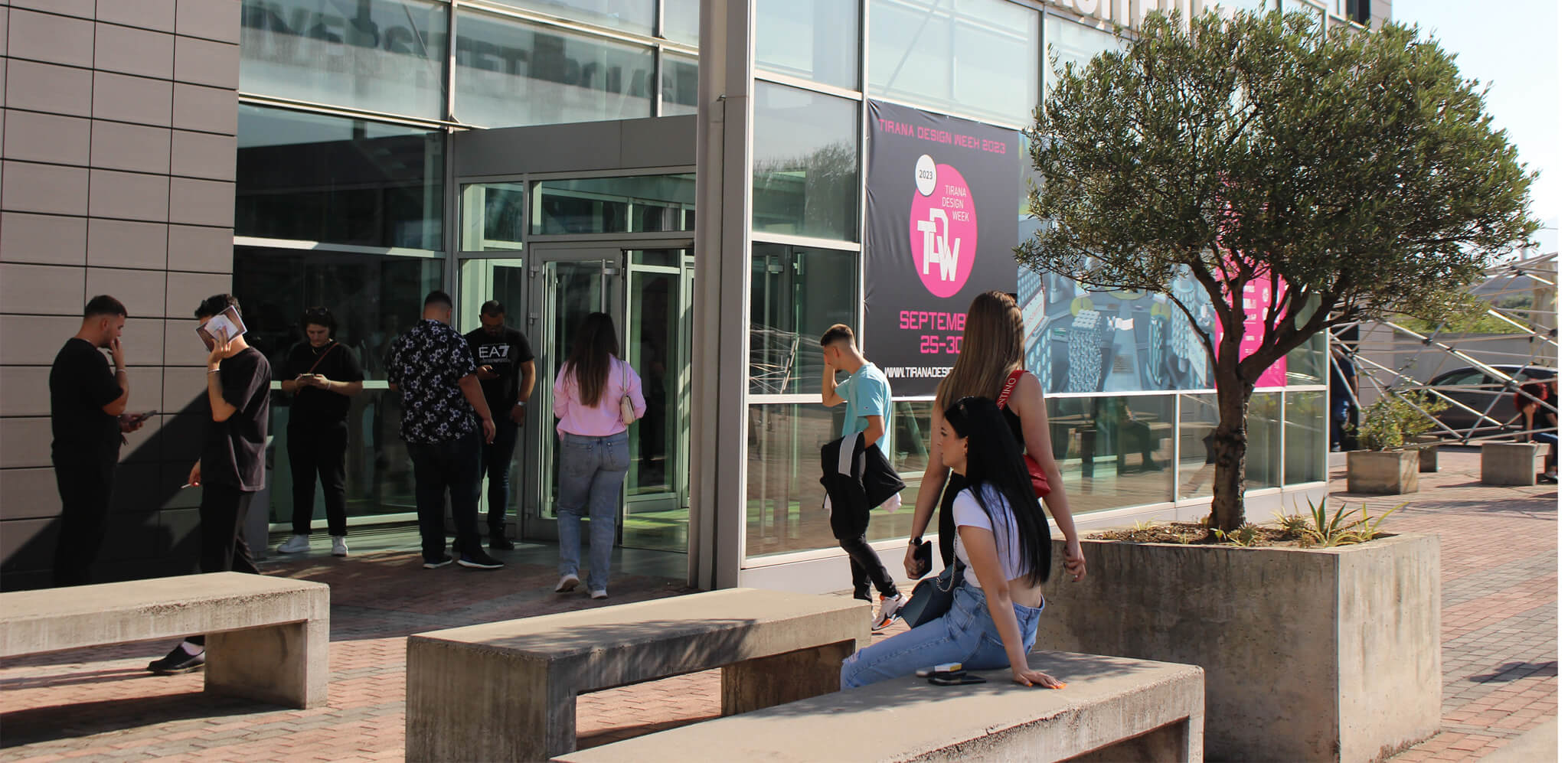
This case study shows how POLIS University is using QAA membership to streamline quality processes, strengthen consistency across departments and support more efficient, evidence‑based decision making.
As Vice Rector for Quality and Inclusion, my role is to safeguard and strengthen our quality culture at POLIS University, ensuring that internal quality assurance is fully embedded in our Development Strategy and everyday academic and administrative practice.
A key challenge has been moving beyond simply collecting data to making sure that every piece of feedback - from students, staff and external stakeholders - leads to visible improvement. We also need a consistent approach to inclusive teaching across our diverse disciplines. This work requires coordinated processes, clear expectations and efficient ways to move from feedback to action.
Why we joined QAA
Our decision to join QAA as a global member reflects our ambition to benchmark ourselves against the highest international standards. QAA membership provides an external, world‑class lens to review and strengthen our internal processes, helps ensure our degrees are recognised internationally, and supports our shift from basic compliance to a stronger quality culture informed by global best practice. As part of our international strategy, it also strengthens our global positioning by aligning us with the quality standards used by leading institutions across Europe.
Following our successful international accreditation in late 2023, we used QAA’s feedback as a strategic roadmap. This avoided duplication, gave us a clear path for improvement and helped us formalise “closing the loop” so that student feedback leads to clear changes that are communicated back. Publishing our action plans and sharing them with the Student Senate has strengthened transparency and reduced repeated queries.
Strengthening policies and decision-making
QAA’s guidance on Generative AI enabled us to update ethics regulations and set clear expectations quickly, avoiding the need to develop policies from scratch and creating consistency across departments. Having a trusted global benchmark helps us make decisions faster and with greater confidence, ensuring our processes are aligned with established international standards.
Improving internal capability
These changes have led to more efficient and effective ways of working. Academic staff no longer see quality assurance as bureaucracy, but as a practical tool for improving teaching. Regular workshops on learning outcome design and inclusive pedagogy have built capability and reduced time spent revisiting fundamentals. Our team now shares a common technical language - around concepts such as closing the loop and ESG compliance - making reporting and communication clearer and quicker.
Supporting global recognition
QAA membership also supports our global recognition and recruitment goals. As a globally recognised seal of excellence, it gives partners confidence that our systems meet the European Standards and Guidelines (ESG). For students and families, it provides assurance that their degree holds international currency - an important factor for those seeking mobility, further study or global career opportunities. This strengthened international credibility directly supports our ambition to recruit and develop a “critical mass” of leaders educated to the highest global standards.