Compassionate communication in practice: case studies
Many colleges and universities in Scotland already communicate with students in ways that are clear, kind and supportive. These case studies share some of that practice so that others can learn from it, build on it and adapt it.
There is no single model of compassionate communication. Each case study reflects its own institutional context, and the approaches can travel to colleges and universities across Scotland and the wider UK.
Abertay University
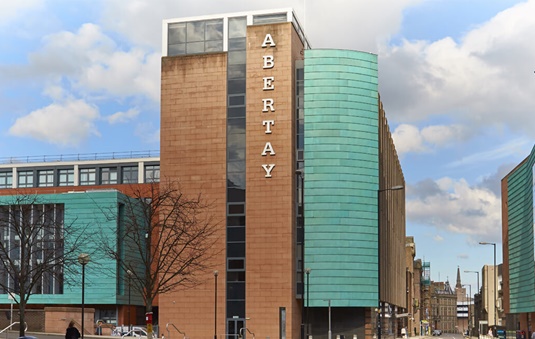
Abertay University redesigned student communications to make processes clearer and easier to navigate. This case study explores how clearer language, reassurance around confidentiality and improved signposting are helping students engage with support services.
Ayrshire College
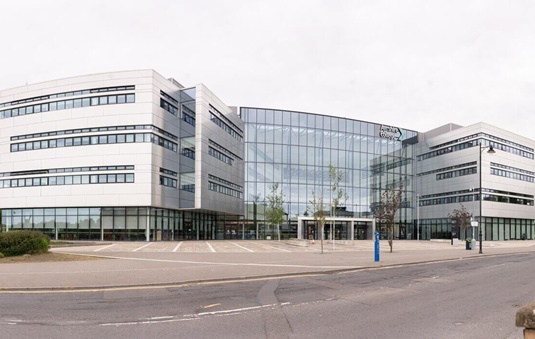
Ayrshire College wanted to move from reactive to proactive support for students with additional needs, including its significant care-experienced population. It introduced a "priority group process" of regular, informally toned check-in messages across multiple channels, allowing students to choose how they're contacted.
Edinburgh Napier
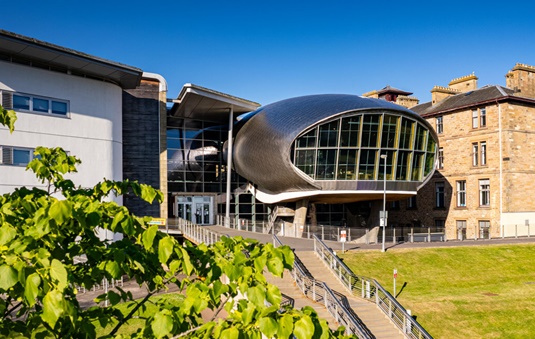
When Edinburgh Napier University committed to compassionate communication, it focused on the messages that matter most to students. This case study shows how a collaborative review of key letters helped make communications clearer, more supportive and student-centred.
Dundee and Angus College
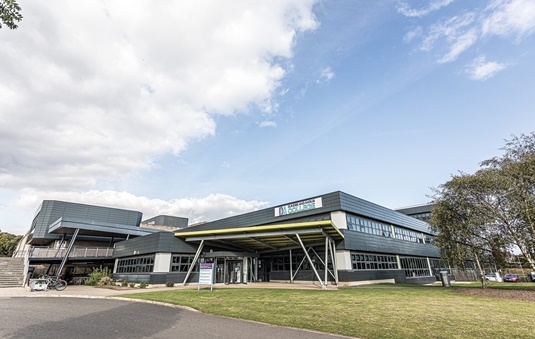
Dundee and Angus College recognised that its pre-arrival information was built around administrative needs rather than what students actually wanted to know. It co-designed a self-service induction system with student focus groups, simplifying language, adding explainer videos, and restructuring content around student priorities.
Read more
Dundee and Angus College coaching
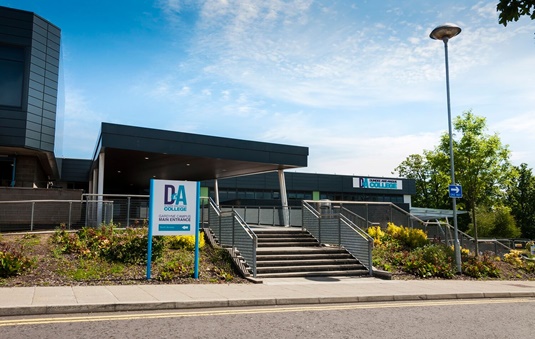
Dundee and Angus College recognised that traditional staff development models often positioned academic development teams as experts rather than supporting reflective conversations. To develop relationships and foster professional growth, the college trained staff in coaching, expanding from its use in teaching observations into a GTCS-accredited programme now spanning student support, leadership development, and cross-institutional collaboration.
Read more
Forth Valley College
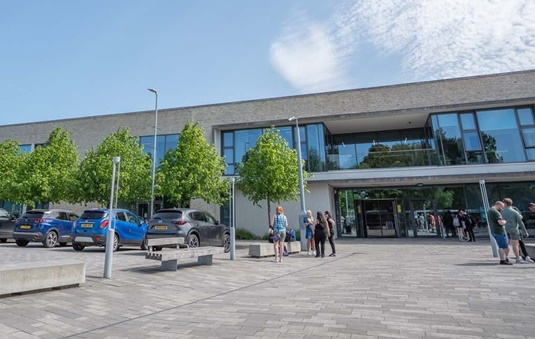
Forth Valley College's students wanted to consolidate student support and avoid students unnecessarily repeating their stories. The college created a cohesive system by making fuller use of its existing Triple-S tool, centralising student support information and extending data-sharing agreements with local schools and authorities.
Glasgow Clyde College
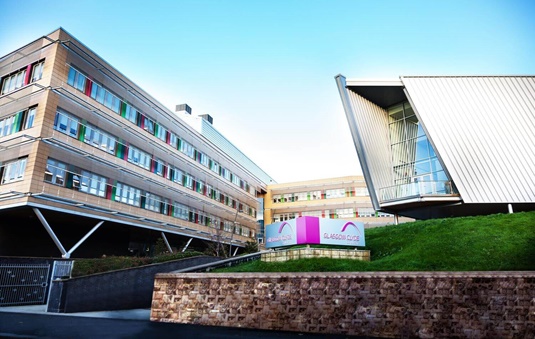
Glasgow Clyde College set out to embed a Nurture framework across the whole institution, grounded in compassionate principles. To implement the framework, the college ran workshops to obtain buy-in with senior leadership, followed by bespoke, role-specific training for different areas of the college.
Hub for Success
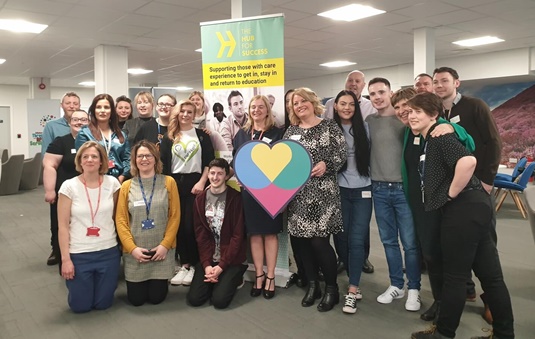
The Hub for Success wanted to make discretionary hardship funding more accessible to care-experienced students. It helped institutions streamline processes by training funding teams in trauma-informed, professional curiosity, drawing on direct input from students with lived experience.
University of Glasgow - Student Conduct Team

The University of Glasgow's student conduct team wanted to better support students disclosing sensitive issues, including gender-based violence, without requiring them to repeat their story. The team redesigned its process around student choice, allowing students to select how they report and engage, and making them feel truly heard.
Read more
University of Glasgow - Co-Designing Templates

The University of Glasgow wanted to make the language in its outcome letters more compassionate without losing clarity. It ran a four-stage co-design process bringing students and staff together to review, draft, and refine the templates, resulting in a base letter and supporting staff guidance.
Read more
Scotlands Rural College (SRUC)
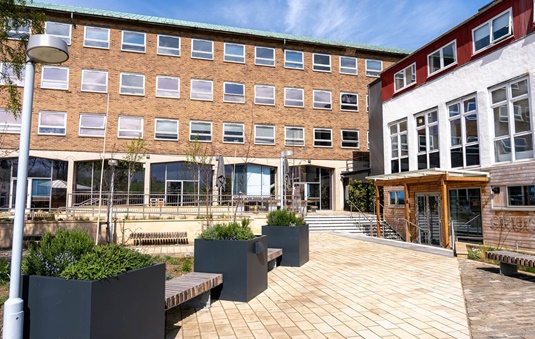
As SRUC welcomed its first international student cohort, it needed to pursue unpaid tuition while remaining compassionate and supportive in its communications. The institution assigned dedicated points of contact, drew clear boundaries between finance and student support, and equipped staff with practical tools to support students through difficult conversations.
South Lanarkshire College
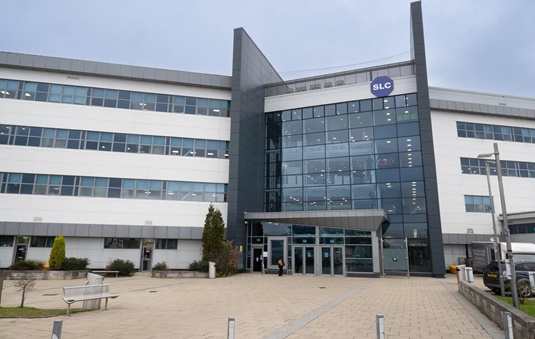
South Lanarkshire College works with a diverse student population, many facing significant barriers to engaging with education. To engage with such a wide range of students, the support team built a series of proactive touchpoints across the year, from summer outreach and induction workshops to same-day crisis funding and a daily free breakfast club.
University of Strathclyde

The University of Strathclyde wanted to improve the warmth and consistency of its award and outcome letters used across four devolved faculties. A cross-faculty project team reviewed all 30 letter templates, reading the letters from a student's perspective to rework tone, clarity, and terminology.
Robert Gordon University
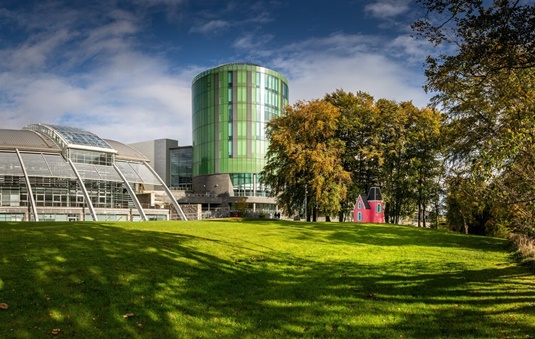
Following a review of its personal tutoring scheme, the Robert Gordon University set out to improve the consistency of its student support. The institution replaced personal tutoring with a "no wrong door" model, training all academic and professional services staff to handle routine and urgent referrals and establishing a cross-school coordinating group to oversee implementation.
University of St Andrews
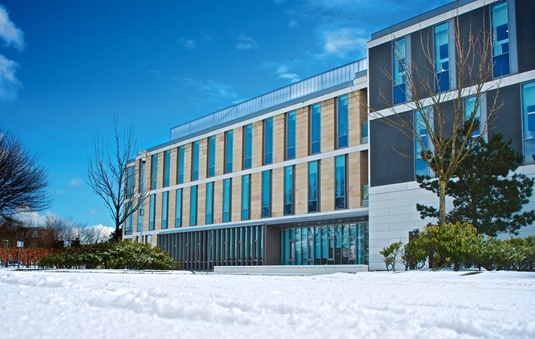
St Andrews Medical School wanted students to understand their options and next steps before receiving formal letters about resits or termination of studies. It introduced early meetings following poor assessment results and a "long-thin" induction that spreads key information throughout the year rather than concentrating it in Freshers' Week.
West Lothian College
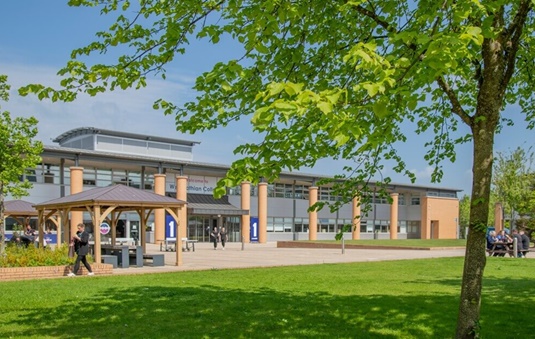
West Lothian College needed a way to support students with difficult backgrounds, including justice system involvement and past trauma, without requiring them to repeat their story to every new member of staff. The Trust Project uses pre-briefed referral meetings, a dedicated Peer Navigator with lived experience, and regular staff training to build a whole-college, trauma-informed approach.